Posibble: A Serif Font with Magic
There I was, staring at a blank brand board, trying to figure out how to make a small café feel both elegant and inviting. It’s one of those moments where the right font can make all the difference. That’s when I stumbled upon Posibble—a modern serif font with interesting variations that brought a little magic to the table.
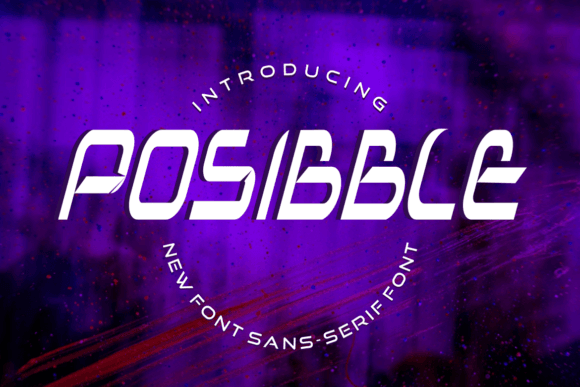
Posibble has a unique personality. It’s not your typical serif font. The curves are a bit more playful, the serifs slightly more exaggerated. It feels like a blend of old-world charm and contemporary flair. When I first tested it on a logo draft, it immediately gave the project a sense of warmth and sophistication that I hadn’t expected.
One of the things I love about Posibble is its versatility. It works well in a variety of design contexts. Whether I’m designing a business card, a packaging label, or a social media graphic, it adds a touch of elegance without being too formal. It’s the kind of font that can elevate a simple message into something memorable.
In a branding project, visual hierarchy is key. Posibble helps establish a clear structure while maintaining a cohesive look. Its readability is impressive for a display font, making it suitable for headlines and short-form text. I found it especially effective in a homepage hero section, where it caught the eye without overwhelming the reader.
When working on a café brand, I used Posibble for the main logo and then paired it with a clean sans serif for body text. This combination created a nice balance—Posibble added character, while the sans serif provided clarity. It also made the overall design feel more professional and polished.
Another area where Posibble shines is in packaging design. I tested it on a label sticker for a handmade soap product, and it looked great. The font’s subtle variations gave the label a custom feel, which is important for a small business looking to stand out. It also worked well on a shop sign, where its legibility from a distance was a big plus.
Posibble’s appeal lies in its ability to add a personal touch. It’s perfect for brands that want to convey a sense of romance or whimsy. I’ve used it in a few editorial designs, and it brought a fresh, creative energy to the pages. It’s also a good choice for social media graphics, where a bit of flair can help content stand out in a crowded feed.
When testing a new font, I always start with a few mockups. For Posibble, I created a few different versions of a logo and played around with sizes and spacing. This helped me understand how it would perform in different scenarios. I also checked the included styles and alternates, which gave me more options to work with.
If you’re considering using Posibble in a full brand system, it’s worth experimenting with different pairings. It pairs well with other serif fonts for a classic look, or with a sans serif for a more modern twist. I’ve also used it alongside a script font for a more personalized feel, which worked surprisingly well.
One thing to keep in mind is that Posibble is best suited as a display or headline font. While it’s readable in short forms, it might not be the best choice for long paragraphs. That said, it can still serve as an accent font, adding visual interest to headings or key messages.
For clients, I always recommend testing a font before committing to it. Posibble is no exception. I suggest creating a few mockups and seeing how it looks in different formats—print, digital, and even on mobile devices. This helps ensure that it will work across all platforms and materials.
Posibble also includes multilingual support, which is a big plus for international projects. It’s available in multiple file formats, making it easy to integrate into different design workflows. The commercial licensing is straightforward, so there’s no confusion about how it can be used in client work.
Overall, Posibble is a great addition to any designer’s toolkit. It brings a fresh perspective to serif typography, offering a blend of tradition and creativity. Whether you’re working on a café brand, a skincare line, or a creative studio, it can help you create something that feels both unique and professional.
As I wrapped up the café project, I felt confident that Posibble had contributed to the success of the brand. It wasn’t just a font—it was part of the story we were telling. And that, I think, is what makes a good typeface truly special.
Posibble isn’t just another serif font. It’s a tool that can help designers bring their vision to life with a touch of magic and a hint of romance.